Enzyme supplier for pulse protein processing
Hilum Process Co. supports pulse protein isolate plants with enzyme selection, supply planning and trial workflows built around plant outcomes: steadier extraction, cleaner separation, lower viscosity drag and more predictable downstream performance.
We work with pea, lentil and chickpea processing teams that need practical enzyme programs for real slurry behavior, not lab-only claims.
Enzyme support for pulse isolate lines
Pulse protein extraction is sensitive to seed lot variation, hydration behavior, fiber load, starch carryover, anti-nutritional factors and separation window timing. When those variables shift, plants feel it in the decanter, the membrane area, the dryer load and the daily yield report.
Hilum Process Co. helps plant managers select enzyme inputs that fit existing process conditions and target the bottlenecks that matter most:
- Protein losses into fiber-rich side streams
- Viscosity build-up in extraction or clarification steps
- Slower phase separation and higher solids carryover
- Anti-nutritional drag affecting ingredient quality
- Batch-to-batch inconsistency from crop and storage variation
- Downtime from fouling, cleaning demand and unstable slurry handling
Where enzymes can help in a pulse protein isolate plant
Extraction and slurry conditioning
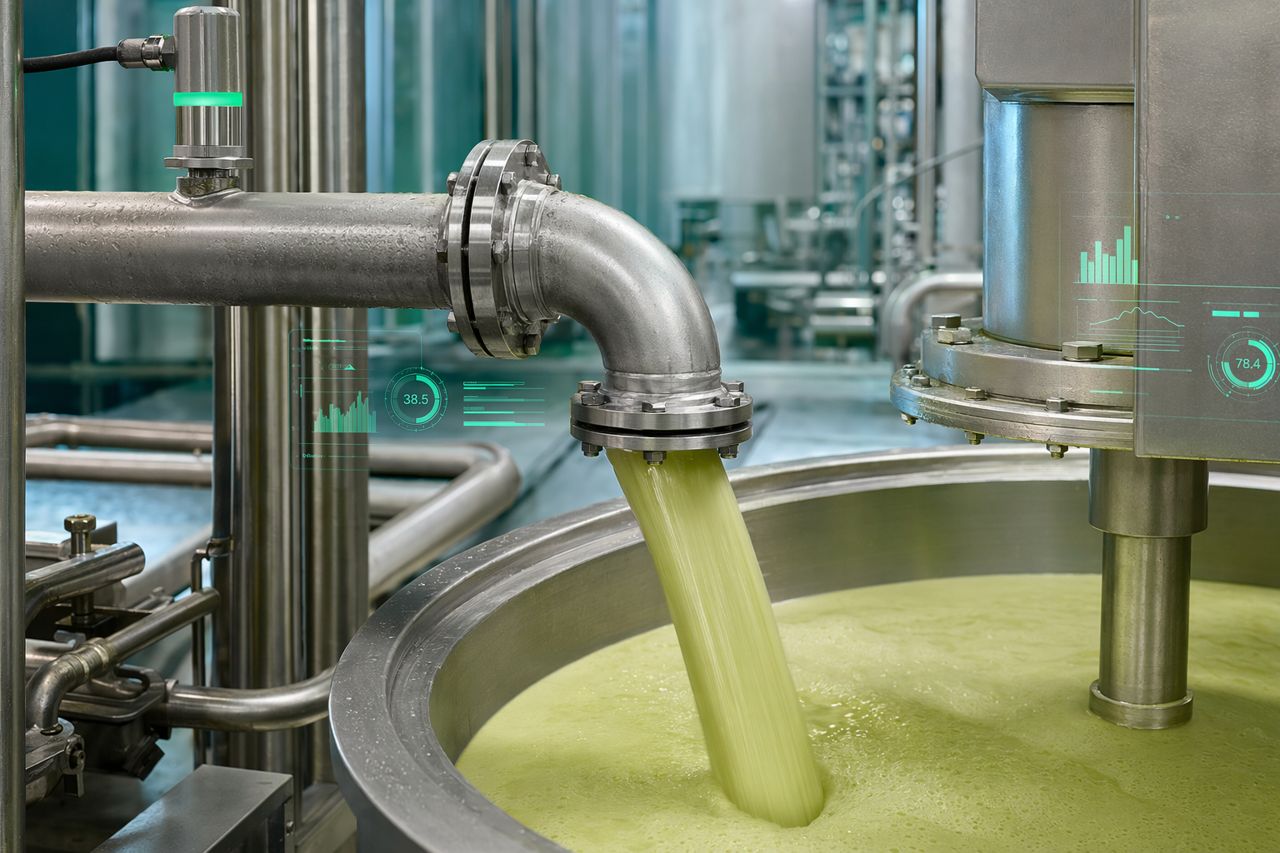
Targeted enzyme selection can support more workable slurry behavior before major separation steps. The goal is not to overcomplicate the line; it is to reduce the process friction that limits throughput and recovery.
Typical plant outcomes include:
- Improved pumpability under existing operating windows
- Reduced viscosity pressure on holding, transfer and separation stages
- More consistent solids movement through the line
- Better repeatability between seed lots
Separation efficiency
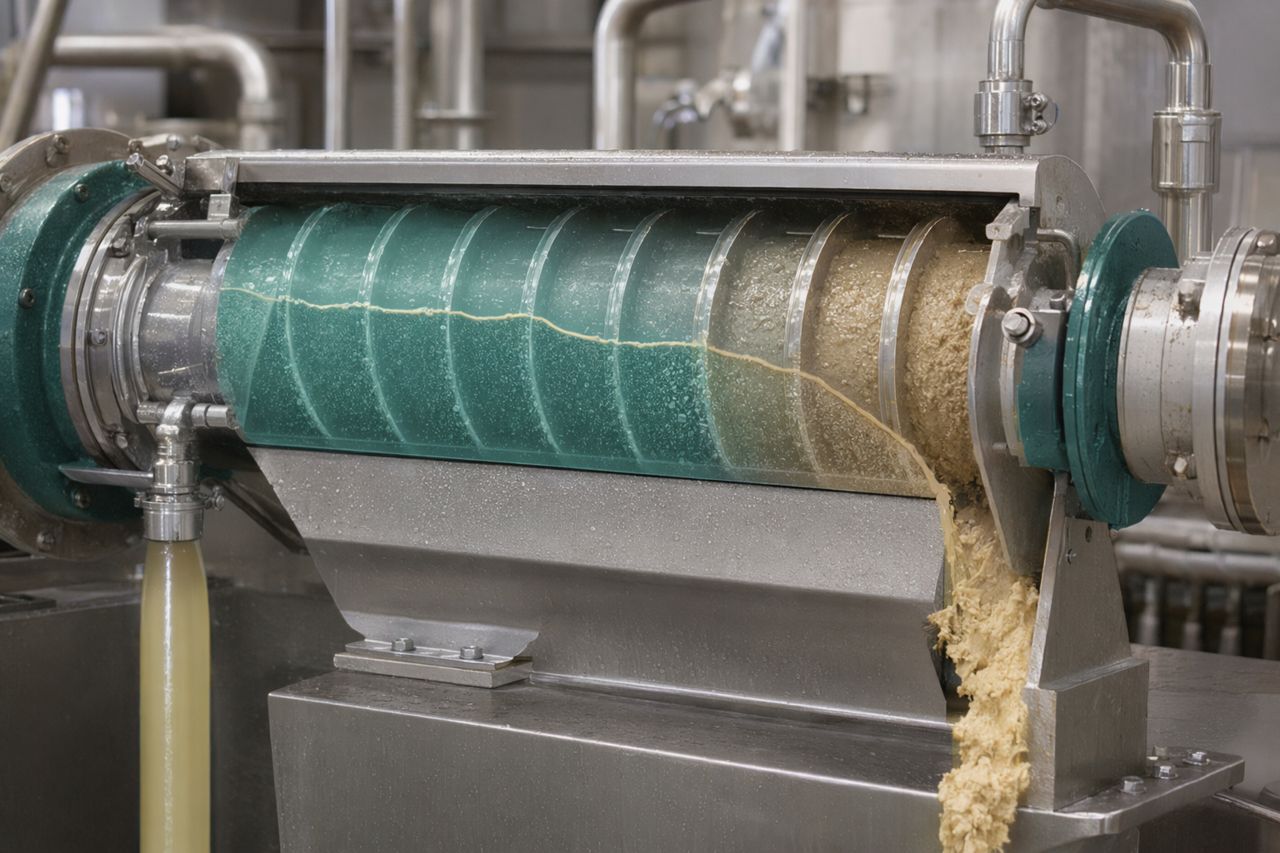
Small changes in slurry structure can influence decanter performance, screen load, membrane behavior and protein losses. Hilum focuses enzyme recommendations on separation outcomes that operators can track during a controlled trial.
Operational targets may include:
- Cleaner liquid-solid split
- Lower fine solids carryover
- Reduced load on downstream polishing steps
- More stable flow into concentration stages
- Fewer process interruptions caused by difficult slurry behavior
Anti-nutritional and quality-related drag
Pulse materials can carry compounds that affect processing, sensory profile and finished ingredient acceptance. Enzyme programs can be designed to support ingredient quality objectives while staying aligned with plant constraints.
We help teams evaluate enzyme options against practical endpoints such as:
- Reduced processing burden from complex carbohydrates
- Support for cleaner extract streams
- More controlled handling of fiber-associated components
- Improved consistency in finished isolate characteristics
Built for plant trials, not guesswork
Hilum Process Co. starts with your process map, not a generic product list. We ask for the details that shape enzyme fit: raw material, grind profile, extraction sequence, pH adjustment points, temperature windows, residence time, separation equipment, current bottleneck and the measurement points your team already trusts.
From there, we define a clear trial path:
- Identify the operating constraint and the current baseline
- Select enzyme candidates matched to that constraint
- Define simple plant-observable success criteria
- Run a controlled trial without disrupting normal production discipline
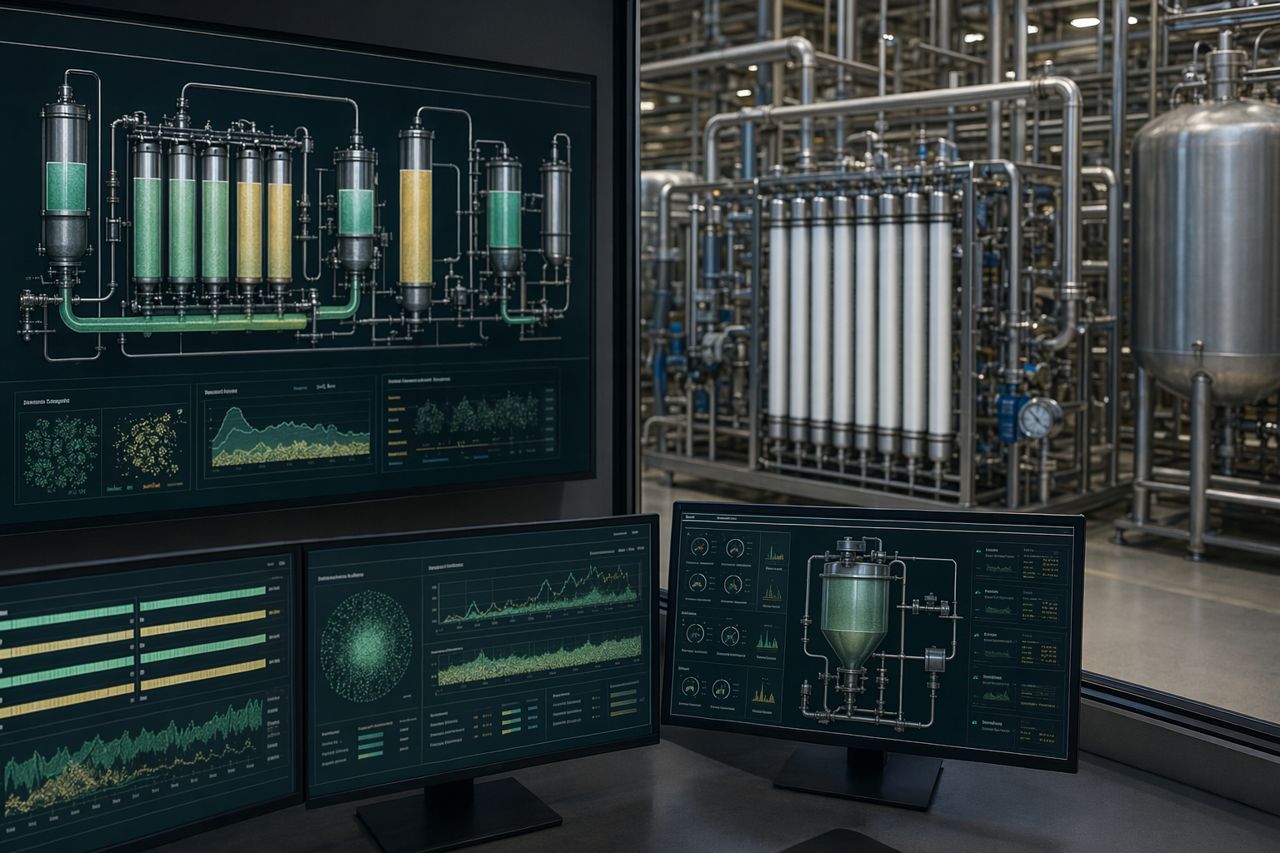
- Review yield, viscosity, separation and downtime indicators
- Move toward supply only when the process case is clear
Why pulse protein plants work with Hilum
- Operational focus: recommendations are tied to yield stability, slurry behavior and separation performance.
- Practical selection: enzyme choices are aligned with existing plant windows wherever possible.
- Procurement-ready supply: support for bulk enzyme requirements, documentation and repeat supply planning.
- Calm technical guidance: no inflated promises, just a structured path from bottleneck to trial to purchase decision.
- One vertical focus: our content, questions and workflows are built for pulse protein isolate plants.
Common bottlenecks we help evaluate
“Our extraction yield moves too much from lot to lot.”
Seed lots vary. Enzyme selection can help reduce the effect of difficult fiber, starch and carbohydrate structures that interfere with stable extraction and recovery.
“The slurry gets heavy before separation.”
Viscosity is not just a handling issue. It can reduce separation efficiency, increase residence stress and shift load downstream. A targeted enzyme program can make the slurry easier to move and separate.
“We are losing protein into side streams.”
Losses often show up in fiber-rich or fine-solids fractions. Hilum helps assess whether enzyme treatment can improve release, clarification or separation behavior before those losses become fixed.
“Membranes and screens are doing too much work.”
When upstream slurry conditioning is poor, downstream equipment carries the burden. Enzyme support can be evaluated as part of a broader fouling and load-reduction plan.
Request a quote
Tell us what pulse crop you run, where the bottleneck appears and what outcome you want to improve. Hilum Process Co. will respond with a practical enzyme supply and trial discussion for your plant.
Use the on-site request a quote form below and include:
- Pulse source: pea, lentil, chickpea or blended input
- Current process stage of concern
- Main target: yield, viscosity, separation, anti-nutritional reduction or downtime
- Current production format and bulk supply needs
- Preferred timeline for evaluation