Enzymes for Chickpea Protein Extraction and Ingredient Plants
Enzymepulse supplies process enzymes, wholesale and in bulk, to chickpea protein isolate and concentrate manufacturers, ingredient resellers and formulators. The aim is plant-floor results: steadier slurry behaviour, better protein release, cleaner fibre handling and more predictable separation.
The real question is not whether an enzyme reacts in a lab, but whether it helps your extraction line run with more control. Request a quote with the product, the quantity and the destination.
For chickpea protein isolate and concentrate operations, that means:
- Better protein availability during wet extraction
- Lower fiber-related drag through pumps, tanks, screens, and decanters
- More stable slurry viscosity before separation
- Reduced solids carryover into downstream stages
- Cleaner clarification before membrane or precipitation steps
- Fewer trial surprises during scale-up
Enzymepulse works with processors who need practical enzyme support tied to recovery, throughput, and separation behavior.
Where Enzymes Fit in Chickpea Protein Processing
Chickpea flour and milled fractions contain protein, starch, fiber, cell wall material, and native antinutritional components that can affect extraction behavior. In plant operation, these components do not move independently. They influence hydration, viscosity, settling, decanter load, membrane pressure, and cleaning frequency.
A targeted enzyme program can help open the matrix around the protein without creating unnecessary downstream burden.
Typical process points we support
- Slurry preparation and hydration
- Alkaline or aqueous extraction stages
- Fiber and insoluble solids reduction
- Decanter or centrifuge feed conditioning
- Pre-filtration and membrane preparation
- Process trials for new chickpea varieties or ingredient specifications
We focus on the point where enzymatic action creates measurable processing value, not on adding complexity for its own sake.
Enzyme Objectives for Chickpea Protein Plants
Improve Protein Release from the Seed Matrix
Chickpea protein is held within a seed structure that includes fiber, starch, and cell wall components. Enzyme selection can support better release by reducing structural barriers around the protein fraction.
The goal is not aggressive breakdown. The goal is controlled access: more available protein in the extract stream while protecting downstream quality targets.
Control Slurry Viscosity and Pumpability
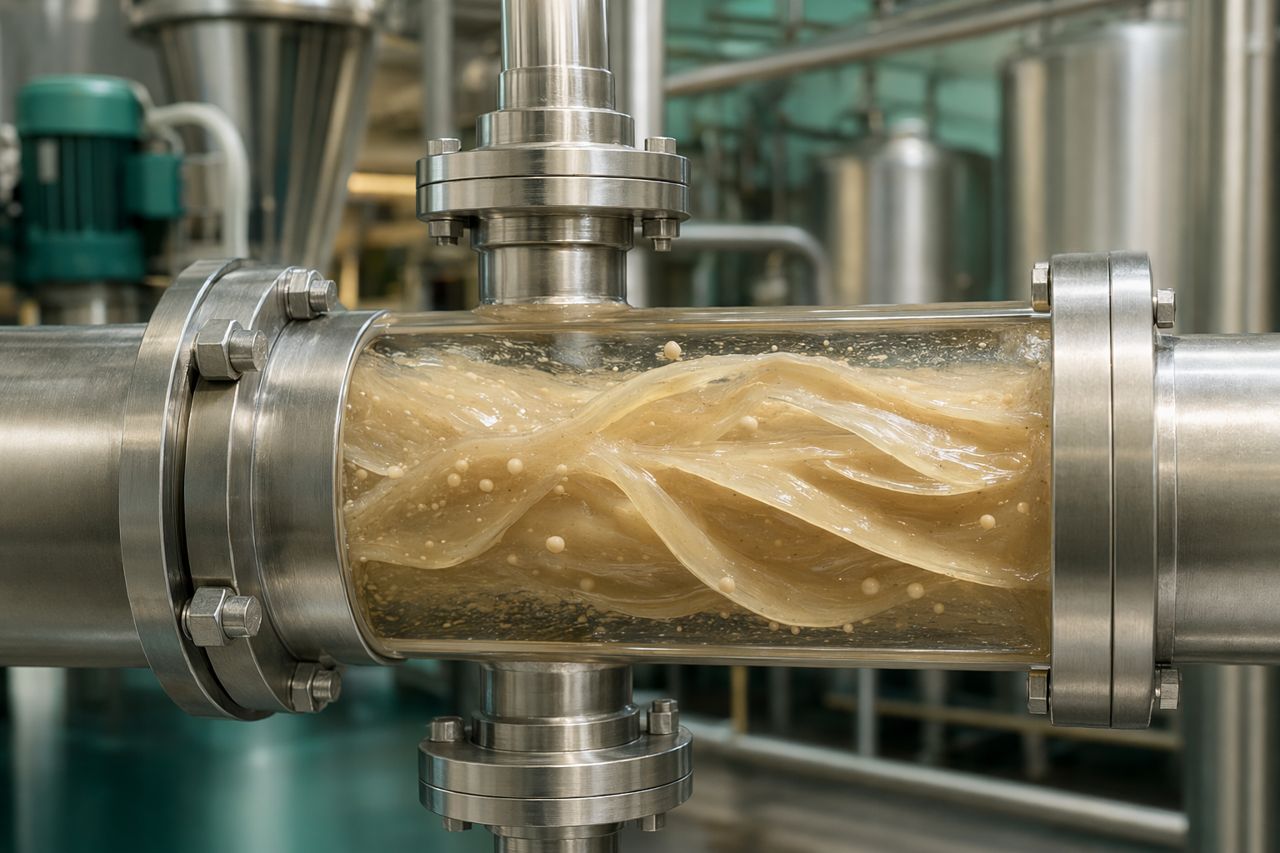
High-viscosity chickpea slurries can reduce pump efficiency, slow tank turnover, and increase variation at the separator. Enzyme treatment can help moderate slurry behavior by acting on selected non-protein components that contribute to drag and poor flow.
For operators, this can mean steadier transfer, more consistent feed to separation equipment, and fewer adjustments during production.
Support Cleaner Fiber Separation
Fiber behavior is one of the main operational constraints in pulse protein extraction. Poorly conditioned fiber can retain protein, increase solids carryover, and load downstream clarification steps.
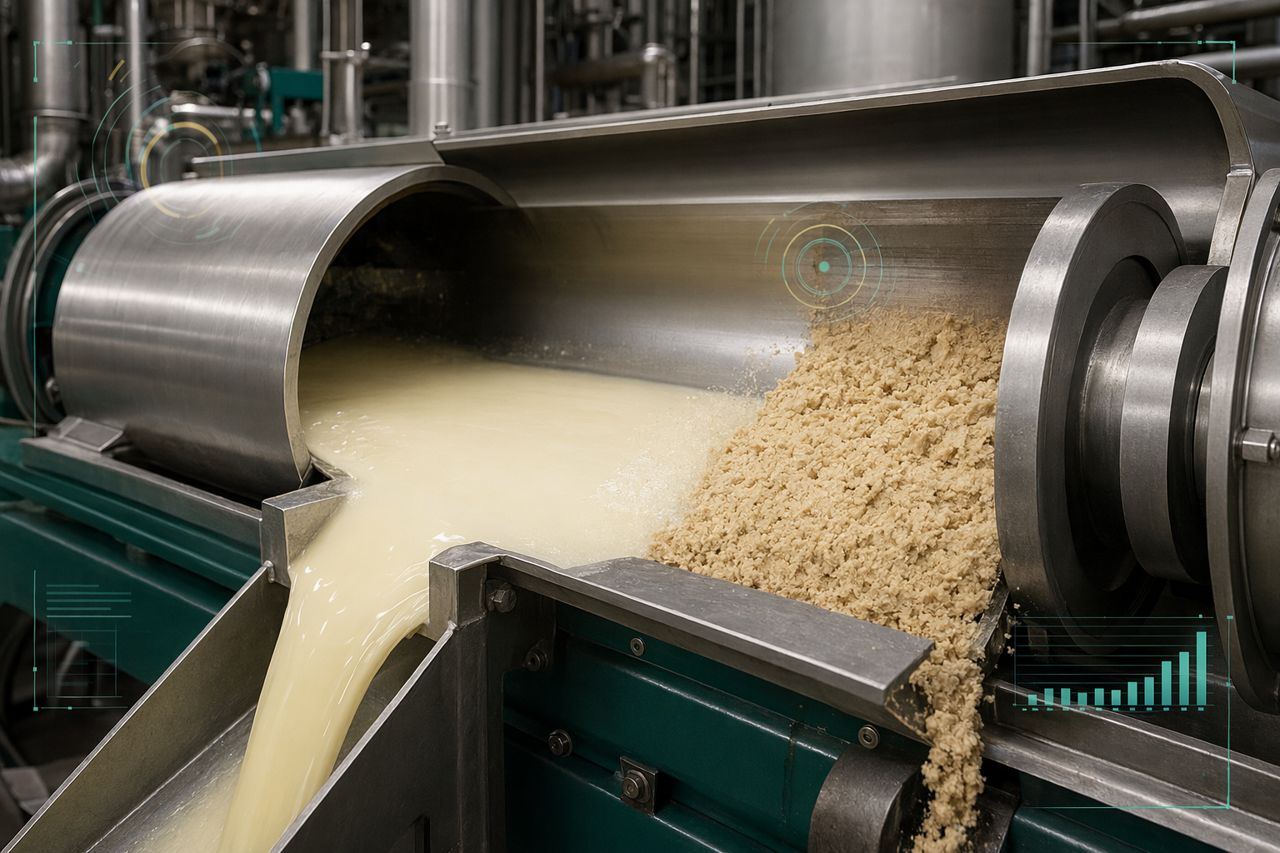
A well-matched enzyme system can support cleaner fiber release and more predictable solid-liquid separation. That helps the plant recover more value from the raw material while reducing avoidable burden on decanters, screens, and filtration equipment.
Reduce Downstream Fouling Risk
Extraction is only one part of the process. If enzymatic treatment creates a cleaner liquid phase, downstream systems can benefit from lower fouling tendency and more stable operation.
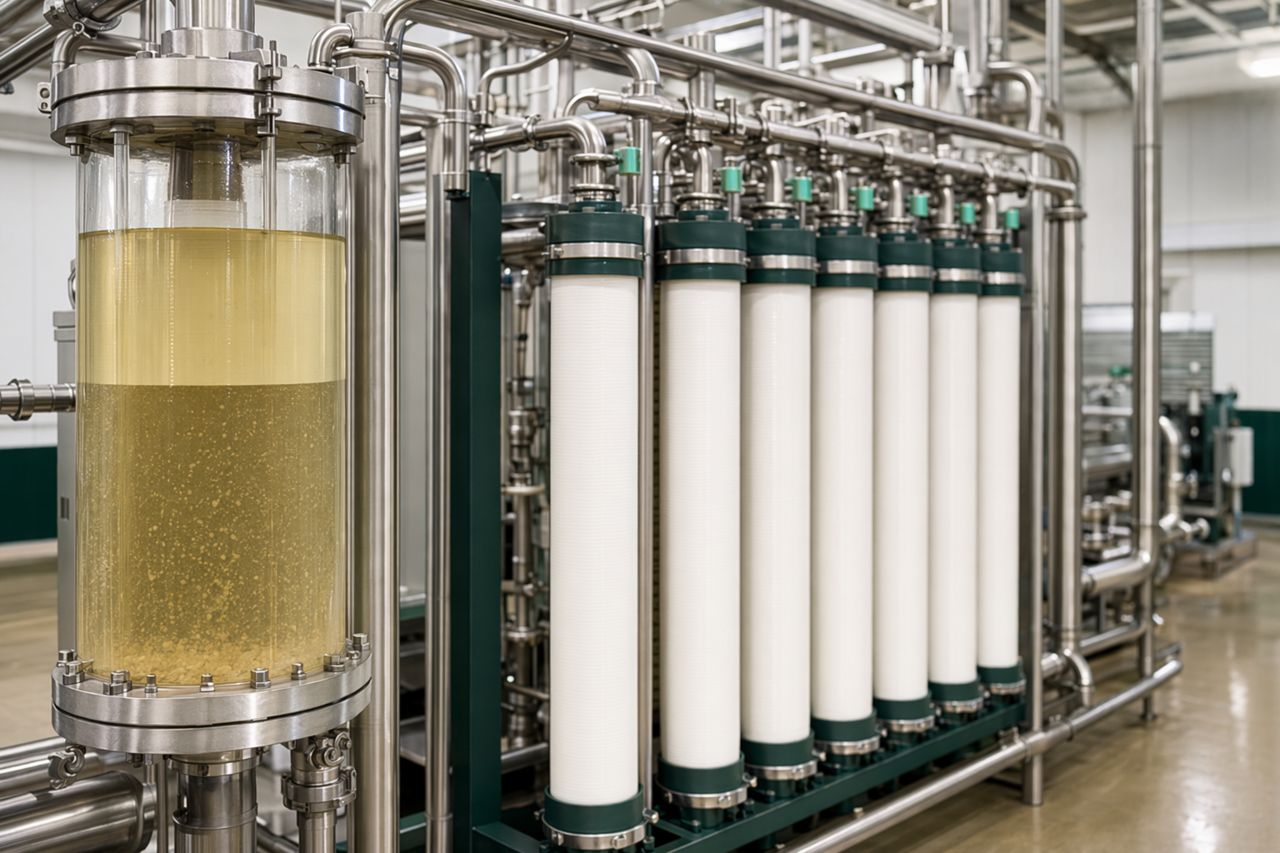
This is especially important before membrane concentration, fine filtration, or precipitation stages where inconsistent colloidal load can lead to lost time, frequent cleaning, and variable product behavior.
Enzyme Types We May Evaluate
Enzymepulse does not begin with a fixed formula. We begin with the plant objective and the chickpea substrate.
Depending on your process, we may evaluate enzyme categories such as:
- Cell wall-acting carbohydrases for fiber loosening and matrix opening
- Hemicellulose-targeting preparations for slurry behavior and separation support
- Starch-management enzymes where starch interference affects flow or clarification
- Mild proteolytic approaches only where functionality and specification allow
- Blended systems designed around extraction, separation, and downstream load
Every recommendation is built around processing fit. Enzyme selection should support recovery and operability without creating new issues in flavor, functionality, solubility, labeling, or product specification.
Built for Plant Trials, Not Guesswork
A chickpea protein trial should answer operational questions clearly. Enzymepulse helps structure enzyme trials so your team can see whether the treatment improves the line in practical terms.
Trial outputs may include
- Protein recovery trend versus current process
- Slurry viscosity and handling observations
- Decanter or centrifuge separation behavior
- Fiber cake condition and retained liquid behavior
- Clarified stream quality before downstream steps
- Membrane or filtration loading indicators
- Cleaning frequency and downtime observations
- Ingredient quality checks against your specification
We support trials with a focus on comparability: controlled process windows, realistic plant conditions, and clear decision points.
For New Builds and Existing Chickpea Lines
Enzymepulse works with both established ingredient plants and teams developing new pulse protein capacity.
Existing plants
For operating facilities, enzyme work usually starts with a constraint: unstable extraction yield, heavy fiber load, variable separation, fouling, or excessive rework. We help identify where enzyme treatment can remove friction without disrupting the entire process.
New projects
For new chickpea protein lines, enzyme selection can be integrated into process design earlier. This helps teams avoid undersized separation assumptions, unrealistic slurry handling expectations, and late-stage surprises when moving from pilot to production.
What Makes Chickpea Different from Other Pulses
Chickpea brings a different balance of protein, fiber, starch, and flavor considerations than pea, faba, lentil, or mung bean. Enzyme work must respect that balance.
A process that performs well on one pulse may not transfer cleanly to chickpea. Hydration behavior, particle size distribution, fiber structure, and downstream protein specification can all change the enzyme decision.
Enzymepulse evaluates chickpea as its own substrate, not as a generic pulse.
Practical Buyer Value
Plant managers and technical teams choose enzyme support when it can help answer one or more of these questions:
- Can we recover more protein from the same chickpea input?
- Can we reduce fiber-related losses?
- Can we stabilize slurry flow into separation?
- Can we improve decanter or centrifuge performance?
- Can we reduce downstream fouling and cleaning interruptions?
- Can we trial the change without creating production risk?
- Can we meet ingredient specifications consistently?
Our role is to connect enzyme selection with these operating outcomes.
Work With Enzymepulse
If your chickpea protein line is dealing with variable recovery, heavy fiber load, difficult slurry behavior, or downstream separation pressure, we can help evaluate enzyme options against your actual process conditions.
Manufacturers and resellers can use the form below to request a quote for wholesale and bulk supply. Share your raw material, process stage, current constraint, target outcome, expected quantity and destination. Enzymepulse will respond with an enzyme recommendation and a price quoted per order.