Anti-Nutritional Factors in Pulse Protein Ingredients: Processing Considerations
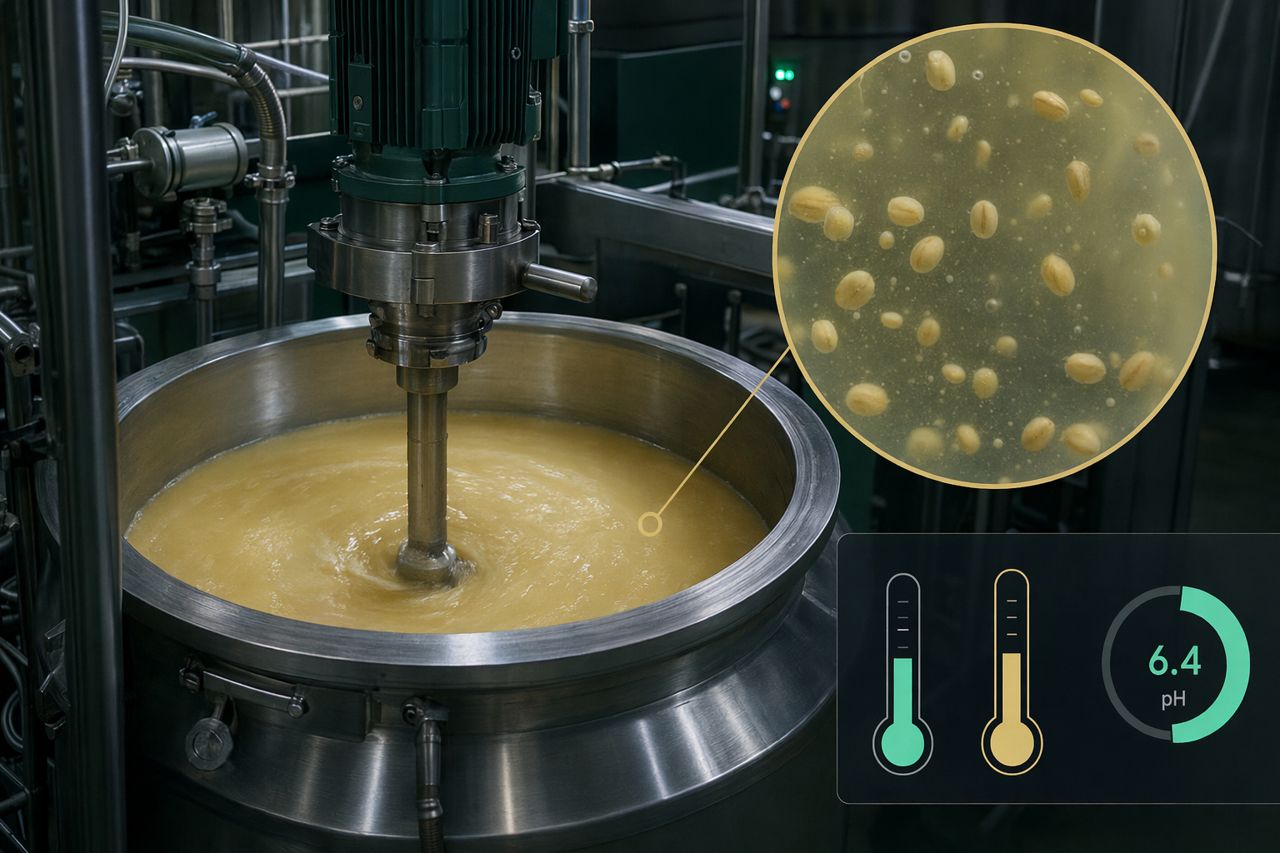
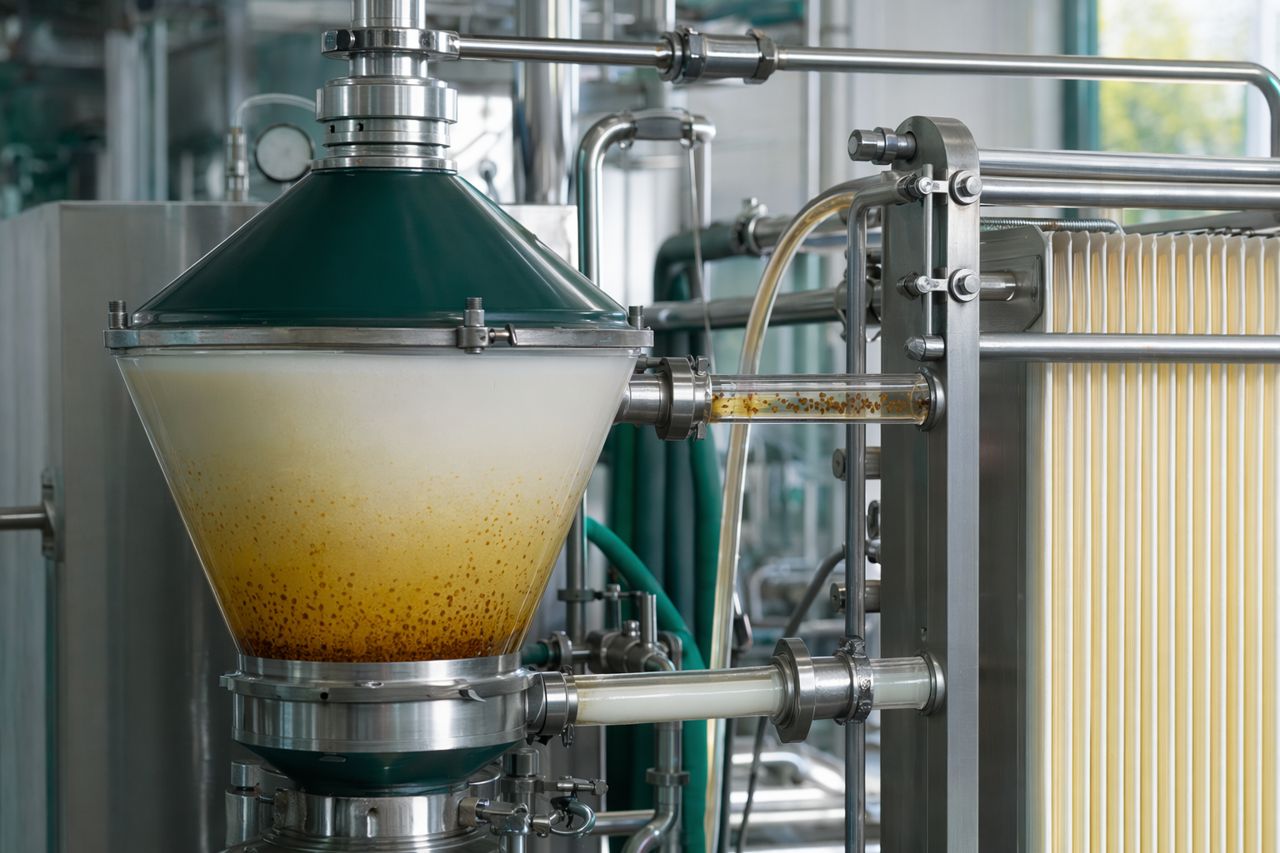
Pulse protein isolate plants are built around extraction, separation, and drying. But ingredient value is also shaped by what travels with the protein: phytate, raffinose-family oligosaccharides, trypsin inhibitors, fiber fines, starch fragments, and other minor components that can affect nutrition positioning, sensory performance, and customer specifications.
For plant managers, the practical question is not whether anti-nutritional factors exist. They do. The question is where they concentrate, how they respond to your process, and whether a controlled enzyme step can improve the operating window without creating new separation problems.
Enzymepulse supplies process enzymes, wholesale and in bulk, to pulse protein manufacturers, ingredient resellers and formulators who need anti-nutritional control without losing yield or separation stability. Request a quote with the product, the quantity and the destination.
Why anti-nutritional factors matter in commercial isolates
Anti-nutritional factors are compounds that can reduce digestibility, bind minerals, interfere with protein functionality, or affect ingredient positioning. In pulses, the most common processing concerns include:
- Phytate, which can bind minerals and associate with protein fractions depending on pH and ionic conditions.
- Raffinose-family oligosaccharides, including raffinose, stachyose, and verbascose, which can influence finished ingredient positioning and customer formulation decisions.
- Trypsin inhibitors, protein-based compounds that are usually managed with heat, but still require attention when balancing functionality and thermal load.
- Fiber and cell-wall residues, which are not always described as anti-nutritional factors but can carry associated compounds and disrupt clarification.
- Phenolic compounds and seed coat residues, which may affect color, flavor, and perceived ingredient cleanliness.
These compounds are not controlled by one step alone. They move through dehulling, milling, hydration, extraction, decanting, washing, membrane concentration, pH adjustment, and drying. That movement is where process control matters.
Phytate: follow the liquid, protein, and mineral balance
Phytate is often discussed as a nutrition issue, but in a plant it is also a separation issue. Depending on extraction pH, mineral balance, and protein state, phytate can remain in solution, associate with protein, or concentrate in side streams.
A phytase step can be useful when the objective is to reduce phytate load before it follows valuable protein into the isolate stream. The timing matters. A poorly placed enzyme addition can add cost without changing the final specification. A well-placed step can support a cleaner ingredient profile while preserving predictable solids handling.
Processing considerations for phytate control
- Identify whether phytate is concentrating in the protein-rich stream, wash stream, or soluble side stream.
- Evaluate enzyme addition before major separation points, not only after the isolate is already formed.
- Protect the viscosity profile of the slurry so decanters, screens, and membranes continue to operate cleanly.
- Confirm that the treatment supports the commercial specification, not only an internal trial target.
Oligosaccharides: soluble compounds need soluble-phase thinking
Raffinose-family oligosaccharides are generally water soluble. That makes them responsive to hydration, soaking, washing, and liquid-phase management. In a wet pulse protein process, they may leave with soluble streams, remain in intermediate liquor, or appear in concentrated fractions depending on residence time and wash strategy.
Alpha-galactosidase can be considered where the plant wants to shift the oligosaccharide profile in a controlled liquid phase. This is not just a nutrition discussion. It is also about ingredient positioning and avoiding unnecessary load in downstream concentration.
Where enzyme treatment can help
- In selected liquid phases where oligosaccharides are accessible.
- Ahead of separation steps where reduced soluble burden may simplify downstream handling.
- In trial programs where the target is a measurable ingredient profile rather than a general process claim.
The enzyme should fit the plant’s flow path. Adding it where contact is poor, residence time is inconsistent, or temperature swings are frequent will not create a reliable outcome.
Trypsin inhibitors: heat is central, but balance is the challenge
Trypsin inhibitors are protein-based and are commonly reduced through thermal processing. The operational challenge is that heat can also change protein solubility, color, flavor, and functionality. More heat is not always better for the isolate business.
Targeted enzyme use may support broader protein modification goals, but it should not be treated as a simple replacement for thermal control. For most plants, the practical work is finding the right balance between inhibitor reduction, protein functionality, separation performance, and dryer behavior.
Plant-floor questions to ask
- Does the current thermal step reduce inhibitors while preserving the target functional profile?
- Are heat adjustments creating viscosity spikes, fouling, or dryer instability?
- Is the customer specification based on nutrition positioning, functionality, flavor, or all three?
- Could an upstream enzyme step improve slurry behavior enough to reduce stress elsewhere?
Enzymes as process levers, not magic additives
An enzyme supplier for pulse protein processing should not start with a catalog item. The better starting point is the plant’s constraint.
Common constraints include:
- Variable slurry viscosity after wet milling or extraction.
- Slow clarification due to fine suspended solids.
- Protein losses into side streams.
- Membrane fouling from unstable soluble load.
- Dryer feed inconsistency.
- Finished ingredient variability across crop lots.
- Difficulty supporting premium positioning around digestibility or reduced anti-nutritional factor profile.
Enzymes can help when they are matched to substrate availability, addition point, temperature window, pH window, residence time, and separation sequence. The value is operational: fewer surprises, cleaner phase behavior, and trials that can be repeated by production staff.
How Enzymepulse approaches a pulse protein trial
A useful enzyme trial should be small enough to control and practical enough to scale. We focus on the operating decisions that matter on the plant floor.
1. Define the commercial reason
The reason may be ingredient positioning, customer specification, improved separation, reduced rework, or more stable throughput. The trial design changes depending on which outcome is most valuable.
2. Map the compound movement
Before selecting an enzyme, identify where phytate, oligosaccharides, or inhibitor-related concerns are showing up. The target stream determines the treatment point.
3. Protect separation performance
A successful chemistry change that worsens decanter behavior, screen loading, membrane flux, or dryer feed quality is not a successful plant solution. Slurry behavior stays central.
4. Run repeatable production-facing trials
The trial should use conditions operators can reproduce. Addition method, mixing quality, hold time, temperature drift, and stop-start realities all matter.
5. Connect results to specification language
The final decision should support how the ingredient is sold: protein content, solubility, sensory profile, digestibility positioning, reduced anti-nutritional factor profile, or customer-specific documentation.
Practical enzyme options in pulse protein processing
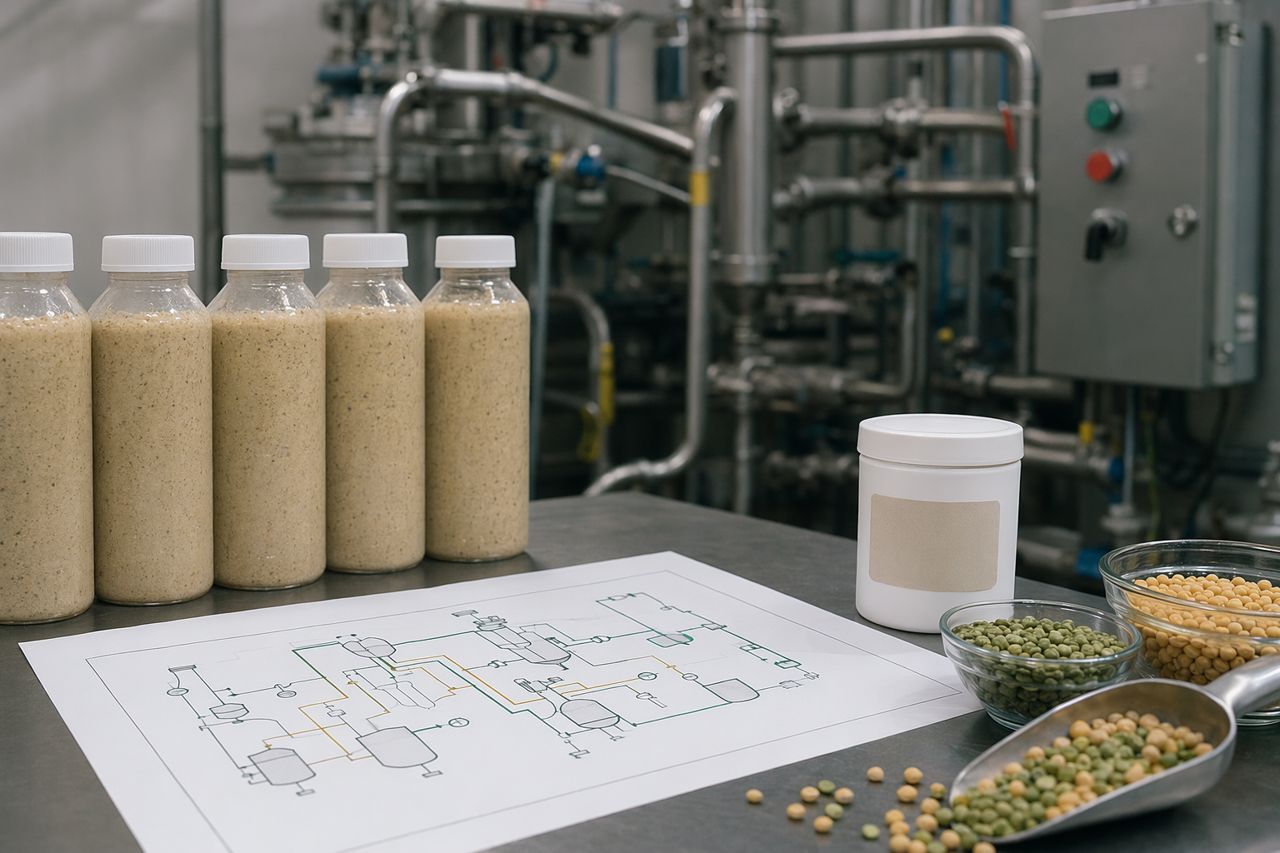
The best enzyme package depends on the plant design, raw material, and target ingredient. Common categories include:
- Phytase for phytate reduction strategies in accessible aqueous phases.
- Alpha-galactosidase for raffinose-family oligosaccharide profile control.
- Protease for carefully managed protein modification, solubility support, or slurry behavior improvement.
- Cell-wall targeted enzymes where fiber-associated residues are affecting extraction or clarification.
- Starch-directed enzymes when starch behavior is contributing to viscosity or separation instability.
These are not interchangeable tools. Each has a different substrate, process window, and downstream effect.
What to avoid
Pulse protein plants can lose time when enzyme trials are treated as generic bench exercises. Avoid:
- Testing enzymes in clean lab conditions that do not reflect plant slurry complexity.
- Adding enzymes after the target compound has already moved into the wrong stream.
- Optimizing only for a chemistry number while ignoring separation and dryer behavior.
- Running single-lot trials and assuming the result will hold across crop variability.
- Increasing enzyme complexity without a clear commercial specification benefit.
The operational takeaway
Anti-nutritional factors are ingredient-positioning issues, but they are also process-flow issues. Phytate, oligosaccharides, and trypsin inhibitors respond differently to hydration, pH, heat, separation, and enzyme treatment. The strongest results come from matching the enzyme strategy to the stream where the target is accessible and to the equipment that must keep running.
For pulse protein isolate plants, the right enzyme program should make the process more predictable, not more complicated.
Request a quote
If your team is evaluating phytate reduction, oligosaccharide profile control, slurry stability, or separation improvement in a pulse protein isolate process, Enzymepulse can help structure a practical enzyme trial and quote bulk supply for manufacturers and resellers.
Request a quote through the on-site form and share your raw material, process flow, target ingredient outcome, expected quantity and destination. Pricing is quoted per order.