Enzyme Options for Lentil Protein Extraction Lines
Lentil protein plants do not need enzyme claims that sound impressive in a lab and fail in a decanter feed tank. They need a controlled way to improve slurry behavior, release trapped protein, support cleaner separation, and keep trials predictable.
Enzymepulse supplies enzyme options for lentil protein extraction lines where recovery, viscosity, centrifuge performance, filtration load, and downstream consistency matter. We work with plant teams evaluating enzyme-assisted extraction, troubleshooting thick process streams, or preparing a structured production trial.
If you are comparing an enzyme supplier for pulse protein processing, our focus is direct: fit the enzyme approach to your lentil process conditions, your separation train, and your commercial ingredient targets.
Where enzymes can help in lentil protein extraction
Lentils bring a useful protein profile, but the process stream can become difficult when cell wall material, starch-associated structures, soluble fibers, and fine particulates hold water and keep protein locked inside the slurry.
The right enzyme program can help by:
- Reducing slurry resistance before decanting or centrifugation
- Improving protein release from milled lentil solids
- Supporting cleaner liquid-solid separation
- Reducing load on screens, membranes, and clarification steps
- Improving process consistency across raw material variation
- Helping plants test lower-friction extraction without rebuilding the line
Enzymes are not a universal fix. They need to be matched to milling profile, solids handling, pH window, temperature window, residence time, and downstream specification.
Common plant-floor problems we evaluate
Thick extraction slurry
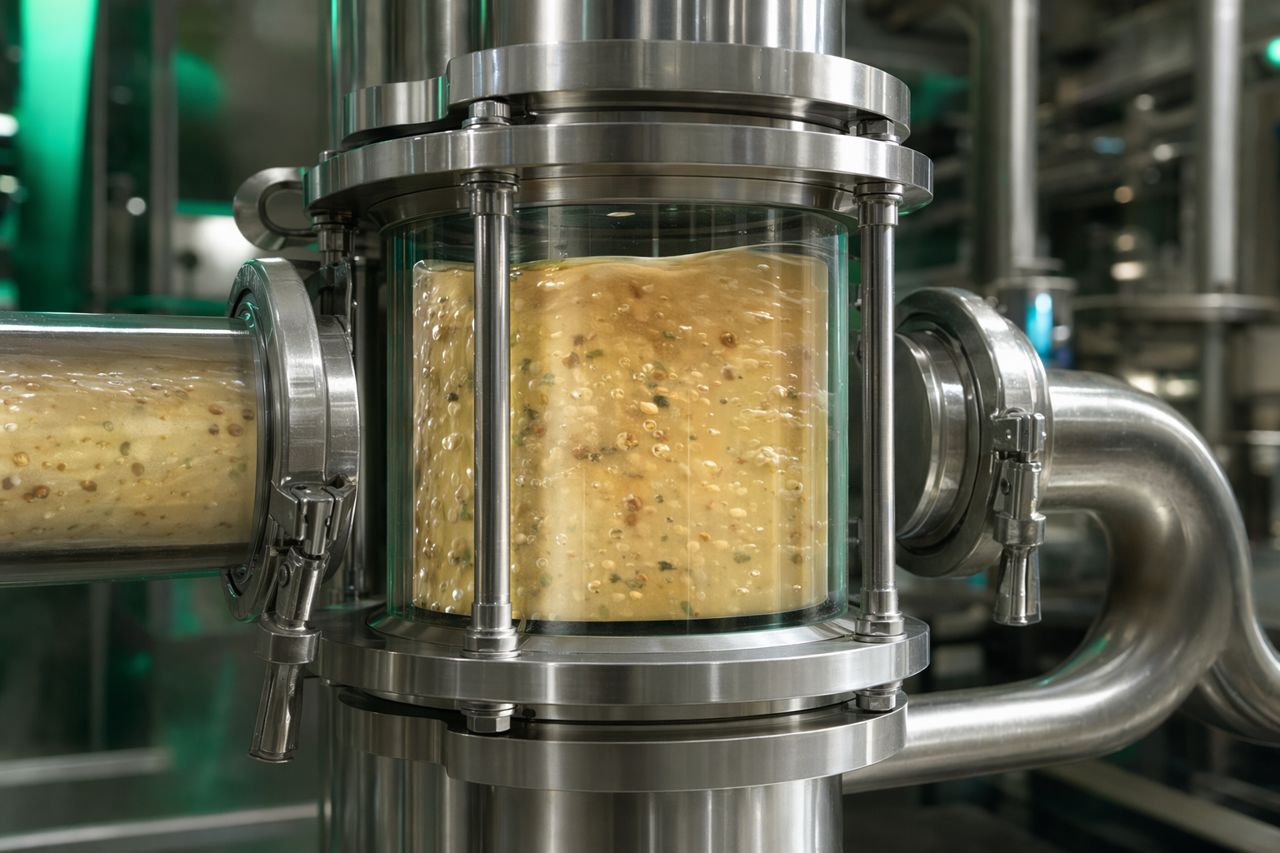
High-viscosity lentil slurry can slow transfer, stress pumps, reduce heat transfer, and make separation less stable. Enzyme selection may target non-protein structures that contribute to water binding and poor flow.
Low protein recovery
When protein remains attached to insoluble material or exits with the coarse fraction, an enzyme-assisted extraction step may help increase accessible protein before primary separation.
Decanter or centrifuge instability
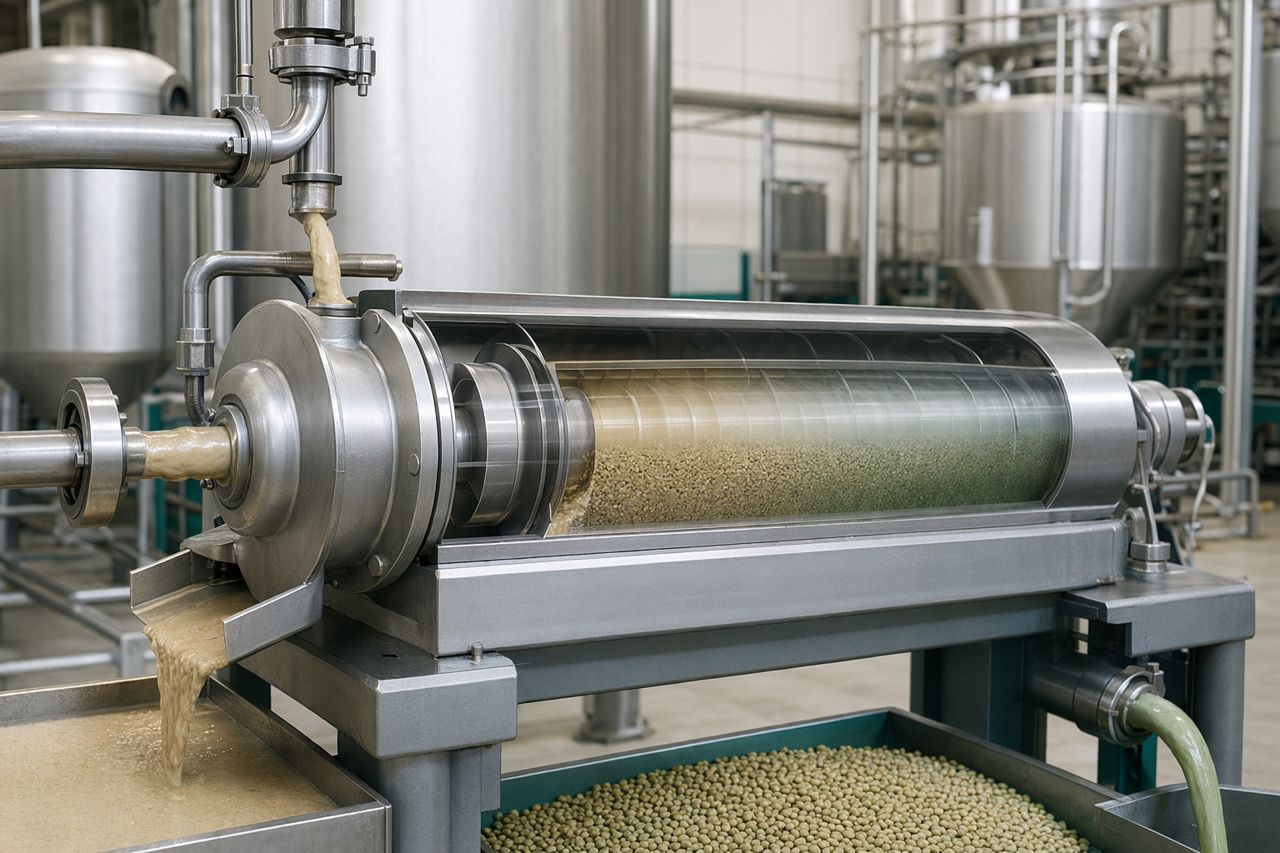
Poorly conditioned slurry can create variable feed behavior, unstable discharge, cloudy centrate, or excessive recirculation. Enzyme use may improve feed uniformity and make separation settings easier to hold.
Screen and membrane loading
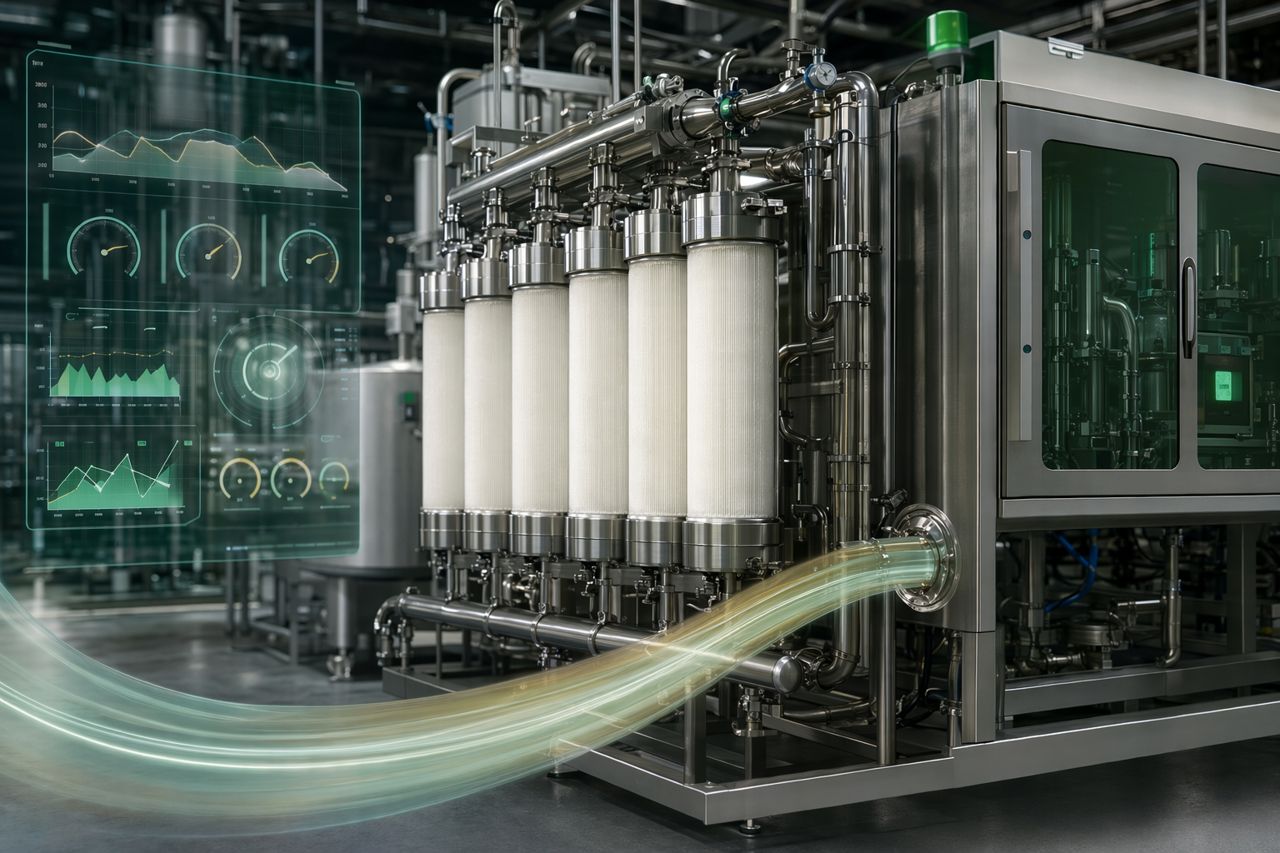
Fine suspended material and gel-like behavior can increase cleaning frequency and reduce throughput. Enzyme treatment may reduce upstream burden so filtration equipment sees a more manageable stream.
Variable raw lentil lots
Seed variety, storage history, dehulling quality, particle size, and seasonal differences can change extraction behavior. A well-defined enzyme trial gives the plant a practical way to manage that variation.
Enzyme categories for lentil extraction trials
Enzymepulse helps plants evaluate enzyme categories based on process outcome, not brochure language.
Cell wall and fiber-targeting enzymes
These options are considered when water binding, suspended fiber, or poor release from milled solids is limiting extraction performance. The objective is improved slurry mobility and better access to protein-bearing material.
Starch- and carbohydrate-support options
Where residual carbohydrate structure contributes to thickness or downstream loading, selected enzyme blends may help condition the extraction stream before separation.
Protease options, used carefully
Protease selection requires discipline. In some processes, controlled protein modification can support solubility or separation. In others, it can create off-spec functionality, flavor concerns, or excessive hydrolysis. We evaluate protease only where it matches the ingredient goal.
Custom blends for existing lines
Most commercial lentil lines do not run like a clean bench model. A blend may be needed to address real slurry behavior while staying compatible with pH adjustment, thermal steps, separation equipment, and finished protein requirements.
What a predictable enzyme trial looks like
A useful trial should answer operational questions before a purchase order scales up.
We typically structure evaluation around:
- Current bottleneck — recovery, viscosity, decanter loading, membrane fouling, yield variation, or downtime.
- Process map — milling, hydration, extraction, pH adjustment, heat exposure, hold points, separation, washing, concentration, and drying.
- Candidate selection — enzyme types chosen for the specific lentil matrix and equipment sequence.
- Trial window — practical conditions the plant can actually hold during production.
- Separation readout — centrate clarity, solids behavior, discharge stability, filtrate quality, and cleaning impact.
- Ingredient readout — protein recovery, color, flavor risk, solubility target, and customer specification fit.
- Scale-up decision — what to run, where to add it, when to stop it, and what changes to monitor.
The point is not to create a complicated enzyme project. The point is to create a trial your operators can run and your quality team can trust.
Fit with lentil protein isolate production
Enzyme-assisted extraction may be considered in lines producing lentil protein concentrate, lentil protein isolate, or intermediate protein-rich streams for further purification.
Potential fit points include:
- Wet extraction after milling or dehulling
- Pre-separation conditioning before decanter centrifuges
- Clarification support before filtration or membrane steps
- Yield improvement projects where protein remains in by-product streams
- Process stabilization during raw material changes
- Debottlenecking projects where viscosity limits throughput
We help determine whether the enzyme should be added early, late, or not at all. Sometimes the best recommendation is a narrow trial. Sometimes it is a different enzyme class. Sometimes the line needs a process adjustment before enzymes will show useful value.
What Enzymepulse supplies
Enzymepulse supplies enzyme options and trial support for pulse protein processors, with a specific focus on plant-operable outcomes.
You can expect:
- Enzyme candidate recommendations for lentil extraction conditions
- Quote support for production-scale evaluation
- Practical guidance on addition point and trial boundaries
- Compatibility review against your separation train
- Documentation suitable for procurement and technical review
- Calm, direct communication with plant, quality, and purchasing teams
We do not position enzymes as magic yield additives. We position them as process tools that must earn their place in your line.
Information that helps us quote accurately
To prepare a relevant quote, share what you can from the list below:
- Lentil raw material format: whole, split, dehulled, flour, or wet-milled stream
- Current extraction sequence and major unit operations
- Main bottleneck: viscosity, recovery, separation, fouling, cleaning, or variability
- Approximate operating pH and temperature windows
- Available hold time before primary separation
- Target ingredient: concentrate, isolate, or intermediate protein stream
- Any limits related to flavor, color, solubility, labeling, or customer specifications
- Expected trial scale and timing
If some details are not final, that is fine. We can start with the operating problem and narrow the enzyme options from there.
Request a quote
Ready to evaluate enzyme options for a lentil protein extraction line?
Use the on-site request a quote form and include your process bottleneck, target ingredient, and planned trial scale. Enzymepulse will respond with a practical enzyme recommendation path and quote information for your plant.