Pea Protein Isolate Enzymes for Dispersible, Soluble and Low-Viscosity Grades
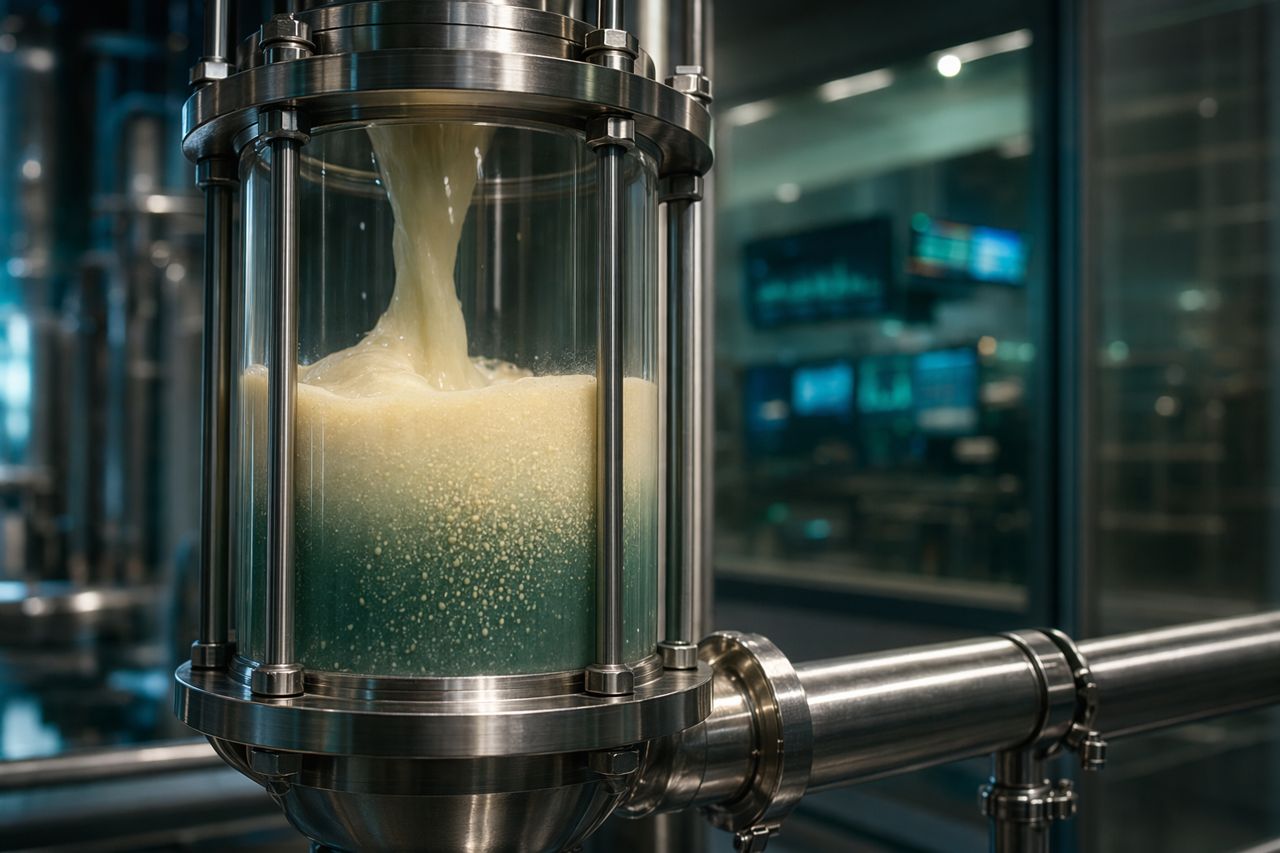
One standard pea protein isolate rarely fits every customer: a powdered-drink maker wants fast dispersion, a ready-to-drink brand wants solubility and acid stability, and a bar or cereal maker wants low viscosity. A controlled protease step lets one isolate line turn the same protein into several sellable grades, and that is how protein plants differentiate products and earn more from each tonne. Enzymepulse supplies process enzymes for this work, wholesale and in bulk, to isolate manufacturers, ingredient resellers and formulators; quotes are made per order.
Match the hydrolysis level to the grade you sell
The grade map below comes from soy protein isolate production, where enzyme modification has long been used to split one protein into several products. Pea isolate lines can use the same map as a starting point and confirm it on their own protein in a short trial.
| Isolate grade | What the buyer asks for | Hydrolysis level | Enzyme approach |
|---|---|---|---|
| Dispersible | Disperses quickly in liquid without lumps | Light: degree of hydrolysis above 10% | Alkaline protease or a protease blend |
| Soluble | Solubility, stability in solution, acid resistance; colour and taste also matter | Medium: degree of hydrolysis above 20-30% | Alkaline protease or a blend, paired with a flavour protease (endopeptidase) to soften bitterness |
| Peptide | Small molecular size with the bitterness kept down | High: the further the hydrolysis, the better | Alkaline protease or a blend, plus a flavour protease |
A light hydrolysis that makes a dispersible powder is a different job from the medium hydrolysis behind a clear, acid-stable drink protein, and a peptide grade needs longer hydrolysis still.
Six functional targets and where each one sells
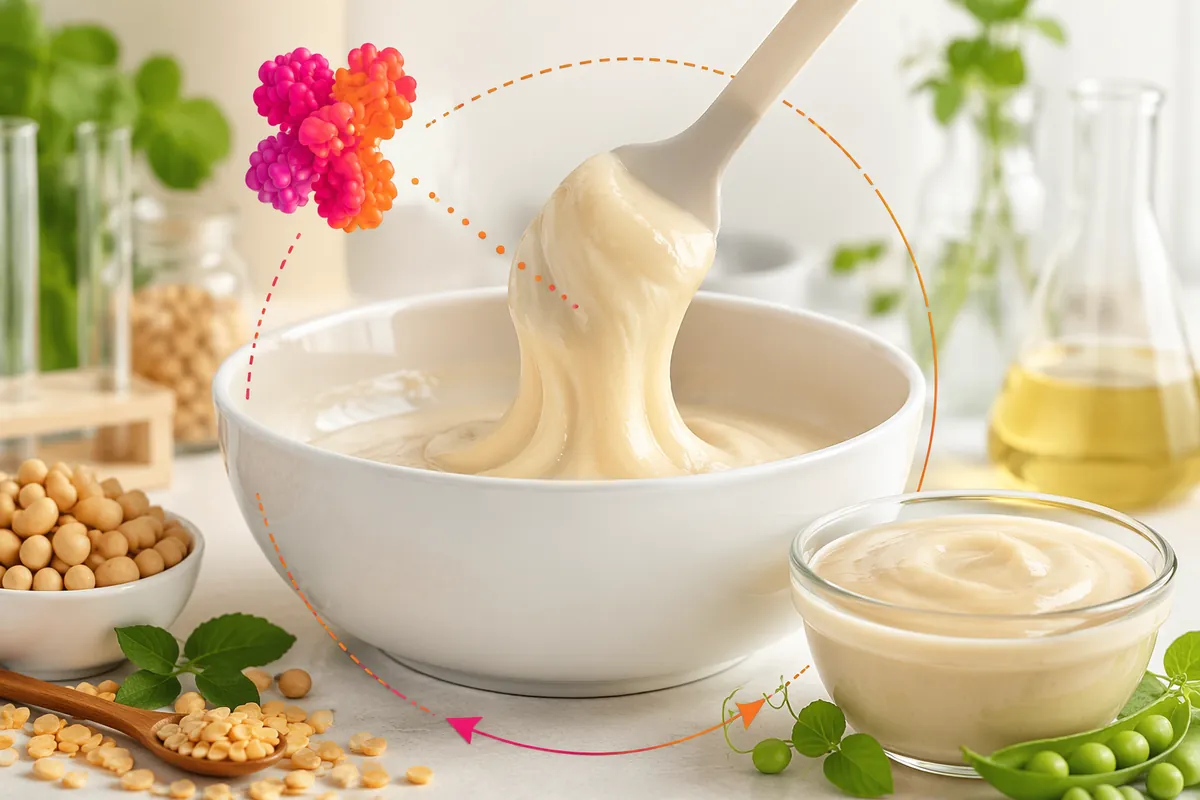
A light enzyme hydrolysis changes a plant protein's solubility, viscosity, digestibility, dispersibility and foaming, and each change opens a different market.
- Better dispersibility for powdered (solid) drink mixes.
- Better solubility and acid resistance for neutral and acidic liquid protein drinks.
- Lower viscosity for protein-fortified puffed cereals, nutrition bars and beverages.
- Better digestibility for nutrition products such as sports nutrition and foods for older consumers.
- Better foaming for ice cream and cake products.
- Better emulsifying for meat products and high-fat drinks.
What goes wrong in practice
- Bitterness that rises with hydrolysis. The further a protein is hydrolysed, the more bitter it can taste; soluble and peptide grades are usually paired with a flavour protease for that reason.
- Setting up the process by trial and error. Searching for the right enzyme and hydrolysis level without a plan is the most expensive part of the work, so start from the grade map and a small sample trial.
- One enzyme for every grade. A blend that suits a dispersible powder will not automatically give a soluble, acid-stable drink protein; the hydrolysis level has to change with the grade.
For an isolate producer the six targets are a sales plan as much as a process plan: each one is a customer segment that will pay for a protein that behaves the way its product needs. When you run a trial, check the property the customer pays for (dispersion, clarity in acid, viscosity, foam or emulsion) as well as recovery.
How a quote works
- Tell us the grade you want to make or improve: dispersible, soluble, low-viscosity or peptide.
- Send your current isolate specification and the finished product it goes into.
- Add the quantity you expect to buy and the destination country.
- We reply with an enzyme direction, a sample-trial plan and pricing quoted per order.
Enzyme support across the isolate line
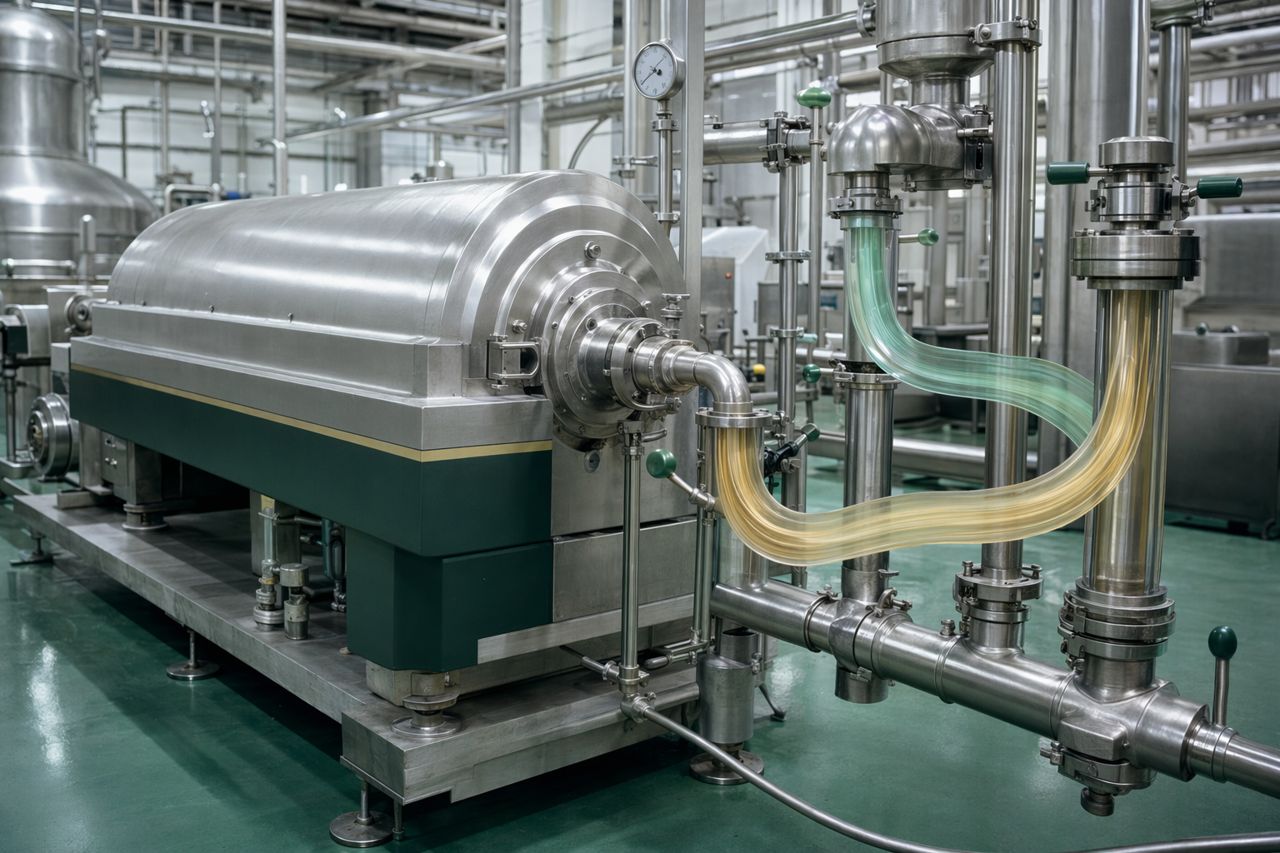
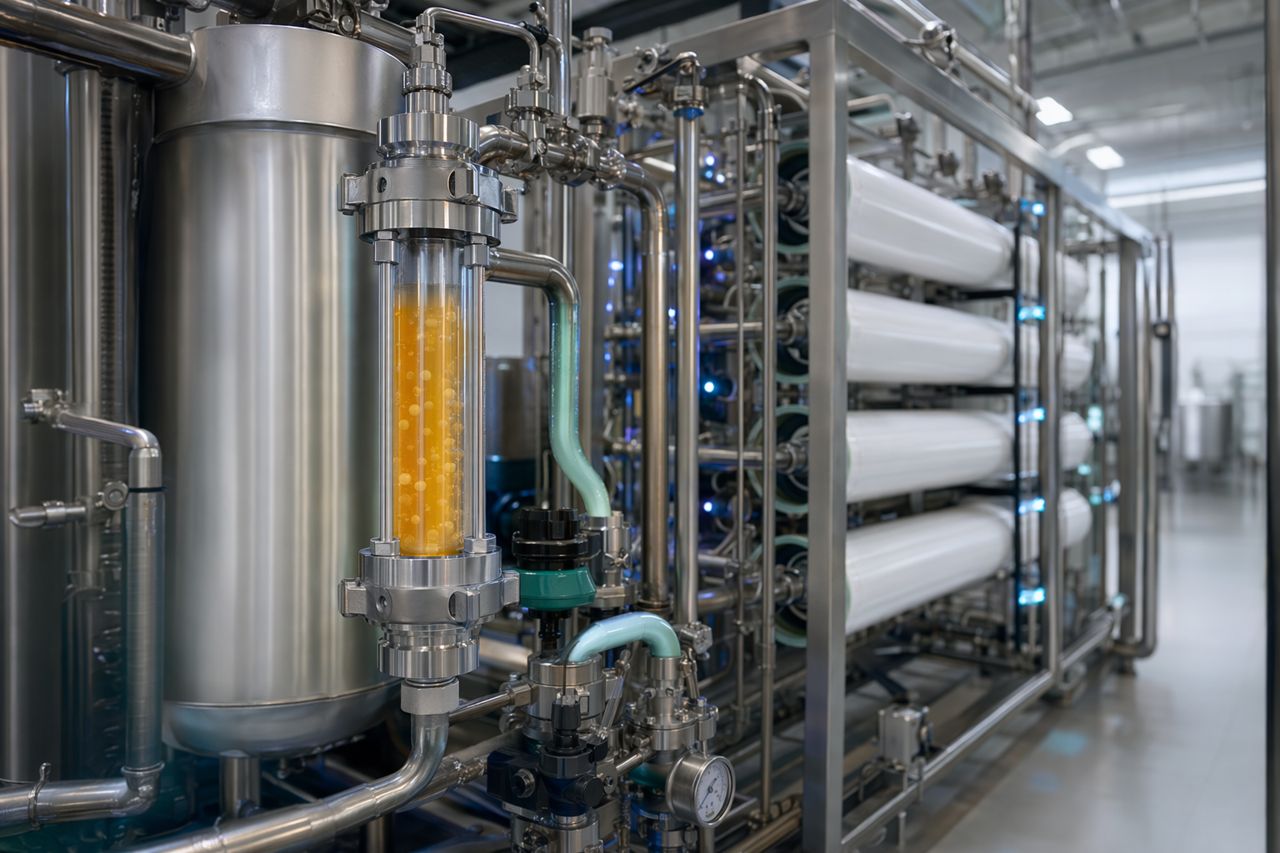
Beyond grade modification, pea protein isolate production depends on controlled extraction, separation, clarification, concentration and drying. Small changes in slurry viscosity, insoluble load, starch behaviour, fibre carryover or protein loss can affect throughput across the whole line.
Request a quote
Isolate manufacturers, ingredient resellers and formulators can request wholesale and bulk enzyme supply for pea protein work through the form below. Include the product, the quantity and the destination, plus the grade or process step you want to improve.