Process enzymes for pea, lentil and chickpea protein plants
Pulse protein plants lose money in the same places: protein that ends up in the fibre stream, slurry that turns heavy before the decanter, membranes that foul, and isolate lots that vary with the crop. Enzymepulse supplies process enzymes aimed at those problems, and helps your team prove the result in a short plant trial before you commit to volume.
We work with isolate and concentrate manufacturers, ingredient distributors and resellers, and formulators who buy pulse protein enzymes in bulk. Supply is by quote: tell us the product, the quantity and the destination, and we reply with an enzyme direction, a trial plan and a price quoted per order.
Who we supply
- Pea, lentil and chickpea isolate and concentrate plants that want steadier extraction, cleaner separation and fewer stops.
- Ingredient manufacturers turning one isolate into several grades (dispersible, soluble, low-viscosity or peptide) for different customers.
- Distributors and resellers sourcing process enzymes for food and ingredient plants in their market.
- Formulators and product developers who need a pulse protein that behaves the way their drink, bar or meat alternative needs.
Where enzymes help in a pulse protein isolate plant
Extraction and slurry conditioning
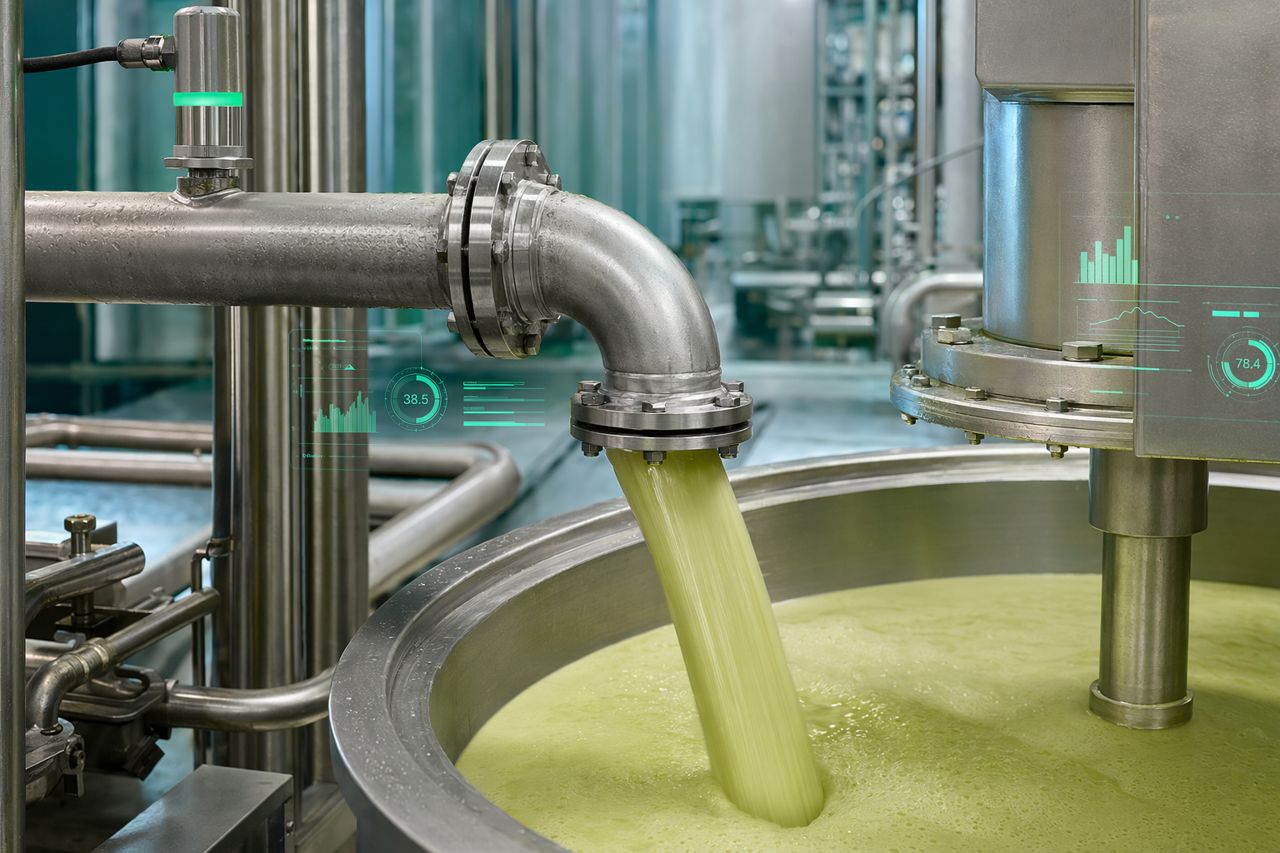
Seed lot, hydration behaviour, fibre load and starch carryover all change how the slurry runs. A targeted enzyme step can make the slurry easier to pump and more consistent from lot to lot, without redesigning the line.
- Better pumpability within your existing operating window
- Less viscosity pressure on holding, transfer and separation stages
- More consistent solids movement through the line
- Better repeatability between seed lots
Separation efficiency
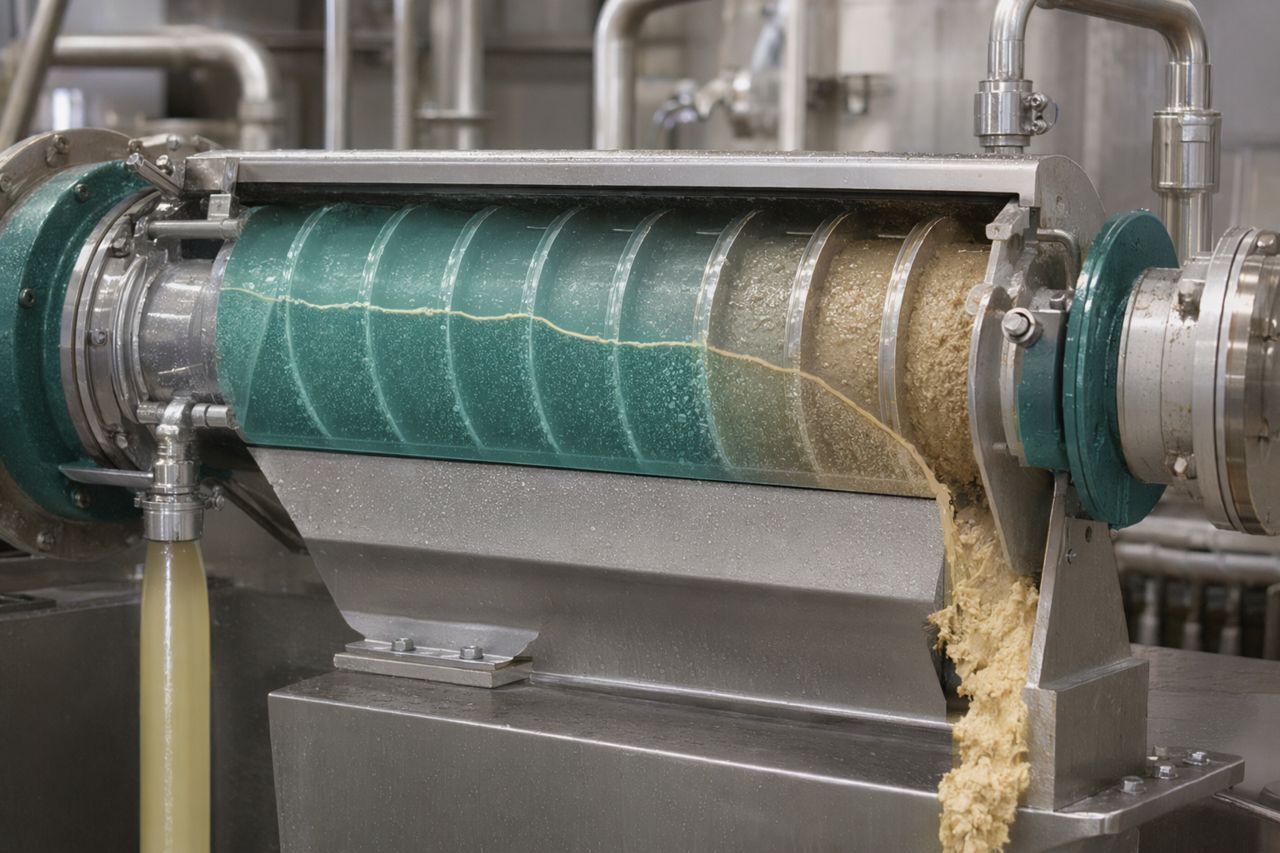
Small changes in slurry structure affect decanter performance, screen load, membrane behaviour and protein losses. We tie enzyme recommendations to separation results your operators can measure during a controlled trial.
- Cleaner liquid-solid split
- Fewer fine solids carried forward
- Less load on downstream polishing steps
- More stable flow into concentration
Functional isolate grades
The same isolate can be hydrolysed lightly for fast dispersion in powdered drinks, further for solubility in liquid drinks, or further still for peptide ingredients. See pea protein isolate enzymes for the grade map.
Anti-nutritional and quality-related drag
Pulse materials carry compounds that affect processing, sensory profile and how customers accept the finished ingredient. Enzyme programs can support quality targets while staying inside plant constraints.
- Less processing burden from complex carbohydrates
- Cleaner extract streams
- More controlled handling of fibre-associated components
- More consistent finished isolate characteristics
Built for pea, lentil and chickpea lines
- Pea: starch, fibre and protein fractionation challenges; enzyme use is evaluated where slurry viscosity, extraction or separation limits throughput.
- Lentil: hydration behaviour and fine solids handling vary; a focused trial shows whether stream conditioning improves separation and clarification.
- Chickpea: slurry body, non-protein solids and oil and fibre interactions need care; enzyme selection should be conservative and measured against the final product specification.
How a quote and trial work
We start with your process map, not a product list. Send what shapes enzyme fit: raw material, grind, extraction sequence, pH and temperature points, residence time, separation equipment, the current bottleneck and the measurements your team already trusts.
- Identify the operating constraint and the current baseline
- Shortlist enzyme candidates matched to that constraint
- Agree simple, plant-observable success criteria
- Run a controlled trial without disturbing normal production
- Review yield, viscosity, separation and downtime indicators
- Move to bulk supply only when the process case is clear
What plant teams usually measure
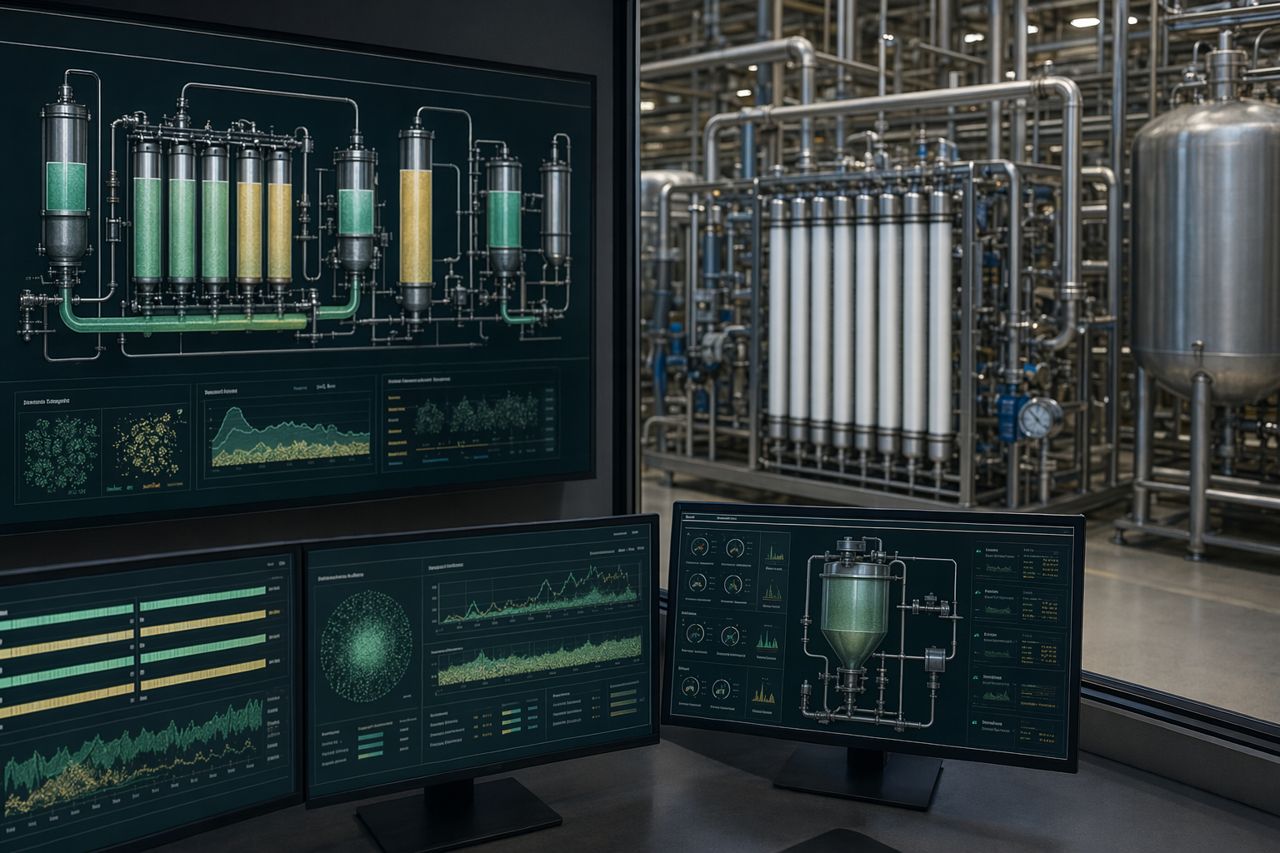
- Slurry viscosity trend, pumpability and mixing behaviour
- Decanter or centrifuge load stability
- Solids distribution between streams
- Protein recovery and purity
- Filtration rate, pressure trend and membrane feed consistency
- Cleaning frequency and downtime linked to fouling, plugging or poor separation
Documentation and supply
Industrial enzyme sourcing needs more than a sample bottle. For B2B buyers we support:
- Product specification guidance
- Safety and handling documentation
- Lot and packaging information
- Application notes for process evaluation
- Trial planning for plant and pilot teams
- Quotes for recurring production supply
Common bottlenecks we help evaluate
"Our extraction yield moves too much from lot to lot."
Seed lots vary. Enzyme selection can reduce the effect of difficult fibre, starch and carbohydrate structures that interfere with stable extraction and recovery.
"The slurry gets heavy before separation."
Viscosity is not only a handling issue. It can reduce separation efficiency and shift load downstream. A targeted enzyme program can make the slurry easier to move and separate.
"We are losing protein into side streams."
Losses often show up in fibre-rich or fine-solids fractions. We help assess whether enzyme treatment can improve release, clarification or separation before those losses become fixed.
"Membranes and screens are doing too much work."
When upstream slurry conditioning is poor, downstream equipment carries the burden. Enzyme support can be evaluated as part of a wider fouling and load-reduction plan.
Request a quote for wholesale and bulk supply
For manufacturers, resellers and formulators. Use the form below and include:
- The product or process step: pea, lentil, chickpea or blended input, and where the bottleneck appears
- Your main target: yield, viscosity, separation, isolate grade, anti-nutritional reduction or downtime
- The quantity you expect to buy and how often
- The destination country
- Your preferred timeline for a trial
Pricing and terms are quoted per order.